Key Takeaways
- Fuel protests target Port of Felixstowe access roads from 15-17 April 2026
- Key disruption points: A14 approach roads, port terminal gates, and A12 corridor
- Alternative ports: London Gateway, Southampton, Liverpool for urgent cargo
- Expect 2-6 hour delays on collections and deliveries through Friday
- No formal port closure — access possible with police escort and delays
What is happening
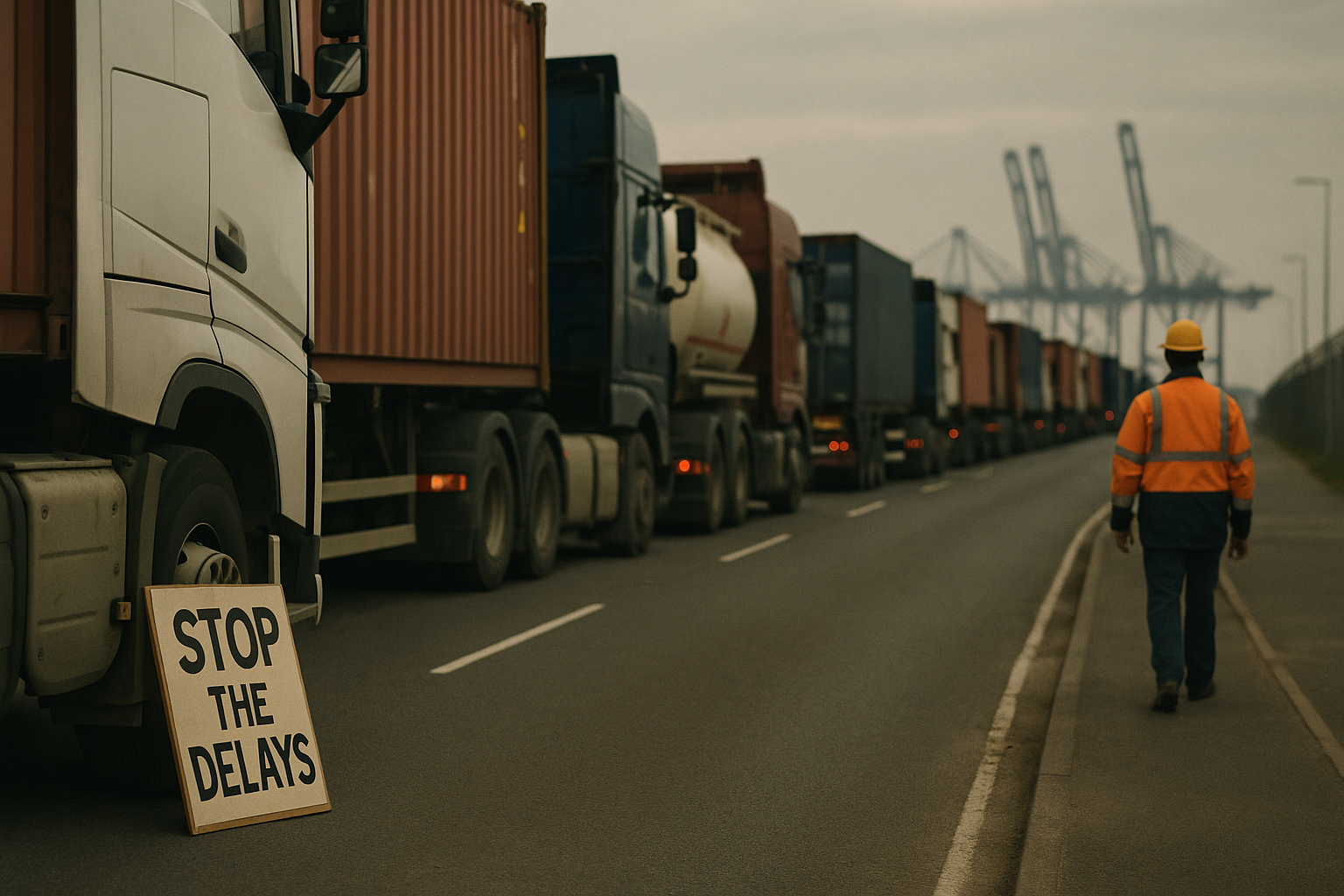
Unofficial fuel protests are disrupting road access to the Port of Felixstowe from Wednesday 15 April through Friday 17 April 2026. According to Port Express and Caledonian Freight reports from 15 April, demonstrators are targeting the port’s approach roads with slow-moving convoys and go-slow tactics designed to highlight rising fuel costs, particularly red diesel prices.
The protest is described as “leaderless” by DM News, which means no single organiser is negotiating with authorities. This makes pre-emptive legal injunctions difficult and disruption harder to predict. The Farmers Guide reported on 15 April that major farming and haulage bodies including the NFU and Road Haulage Association are not endorsing the action, but independent operators are participating nonetheless.
Felixstowe is the UK’s largest container port, handling approximately 4 million TEU annually. Any significant road disruption creates immediate knock-on effects for container collections, empty returns, and just-in-time supply chains serving the Midlands and South East.
Which routes are affected
The primary disruption points identified by logistics publications include:
- A14 approach roads — main arterial route from the Midlands and M6/M1 corridors
- Port terminal gate access — Trinity Terminal and Landguard Terminal entry points
- A12 corridor — southbound and northbound movements towards Ipswich and Colchester
- Local port ring roads — feeder routes used by port shuttle services and empty container parks
DM News reported on 15 April that key infrastructure identified by protest organisers includes the A50 Uttoxeter Bypass (near JCB), and the M20 J6 and M2 J3 in Kent, though the Felixstowe terminal itself is the primary focus for disruption.
Police are monitoring the situation. No official port closure has been announced by the Port of Felixstowe operator, but hauliers should expect significant delays and potential turnback if convoys block critical junctions.
What hauliers and forwarders should do now
Immediate actions for today (17 April)
If you have collections or deliveries scheduled at Felixstowe today, contact your haulage provider or shipping line immediately to confirm whether the movement is proceeding. Do not assume normal service. According to Port Express reporting from 15 April, the demonstration period runs through Friday, so disruption will continue through the remainder of the working week.
Where possible, defer non-essential movements until Monday 20 April. This is not always possible with perishables or time-critical manufacturing parts, but for general cargo, the cost of a weekend hold may be lower than burning fuel in a six-hour queue.
Alternative routing and ports
If Felixstowe access proves impossible, consider diverting to:
- London Gateway — DP World’s automated terminal has deeper water access and rail connectivity; located 25 miles west of Felixstowe with different road approach routes
- Southampton — major deep-water container terminal with good Midlands rail links; less exposed to the A14 corridor disruption
- Liverpool — for northern UK destinations, significantly reduces road mileage versus waiting at Felixstowe
For existing bookings, your freight forwarder may be able to request a change of discharge port with the shipping line, though this typically requires the container to still be at sea. Once cargo is ashore at Felixstowe, port-shifting becomes expensive and logistically complex.
Customer and supply chain communication
Importers expecting container deliveries today should alert their customers proactively. A container sat in a Felixstowe queue for six hours may miss the promised delivery slot, and the haulier may run out of driving hours before completing the round trip.
Buyers managing multiple suppliers should check which bookings are affected and prioritise by criticality. Do not rely on carrier ETAs today — they are likely optimistic given the fluid road situation.
Container depot and empty return impacts
Felixstowe’s empty container parks and bonded facilities are also affected by road disruption. If you have empty returns due today, confirm the depot is accepting units before dispatching a lorry. Some empty parks may close early if access routes become blocked.
Reefer containers are particularly vulnerable. If a refrigerated unit cannot reach the terminal gate, the clock is ticking on pre-cooling and connection requirements. Shipping lines typically offer limited flexibility on late running reefers, so communicate early if delays are inevitable.
Insurance and contractual considerations
Check your terms of carriage. If you are shipping under DDP Incoterms, the seller bears the risk of delivery delays and any resulting costs. Under DAP or FCA terms, the allocation of delay risk depends on where the handover occurs. For understanding how freight costs are affected by disruptions, see our UK freight costs guide. For alternative port options, refer to our UK ports guide and detailed port delays analysis.
Force majeure is unlikely to apply to fuel protests. Standard trading terms generally do not recognise civil unrest or protest action as relieving events unless specifically drafted. Expect commercial negotiations rather than automatic extensions.
Marine cargo insurance typically covers physical loss or damage, not delay. Consequential loss from protest disruption may not be recoverable unless you have specific contingent business interruption cover. Review your policy and speak to your broker if in doubt.
Looking ahead: next week
The protest window is understood to close after Friday 17 April. Normal operations should resume from Monday 20 April, though there may be a backlog of containers to clear over the weekend.
Shipping lines may impose “port congestion” surcharges if the disruption persists. These are usually passed through to shippers, so check for carrier advisories and factor potential extra costs into landed cost calculations for April bookings.
For ongoing port disruption alerts, bookmark the LogisticsEdge briefing page and follow our port guide for alternative routing options.
Frequently Asked Questions
Is the Port of Felixstowe closed? No official closure has been announced. The port remains technically open, but access roads are subject to disruption from protest activity. Police may control access at key junctions.
How long are delays expected? Reports suggest 2-6 hour delays for container collections and deliveries, depending on time of day and exact protest positioning. Morning peak periods are likely worst affected.
Can I cancel my booking and rebook to another port? If the container is still at sea, shipping lines may agree to a change of discharge port subject to availability and possible fees. Once ashore at Felixstowe, moving the container to another port requires trucking or rail movement at your cost.
Will my haulage rate increase? Likely yes, if delays extend driver working hours or require weekend working to catch up. Discuss with your haulage provider before confirming today’s movements.
Is this related to the EU steel quota changes? No. The fuel protests are independent of trade policy developments. The concurrent timing is coincidental, but operators should monitor both issues separately.