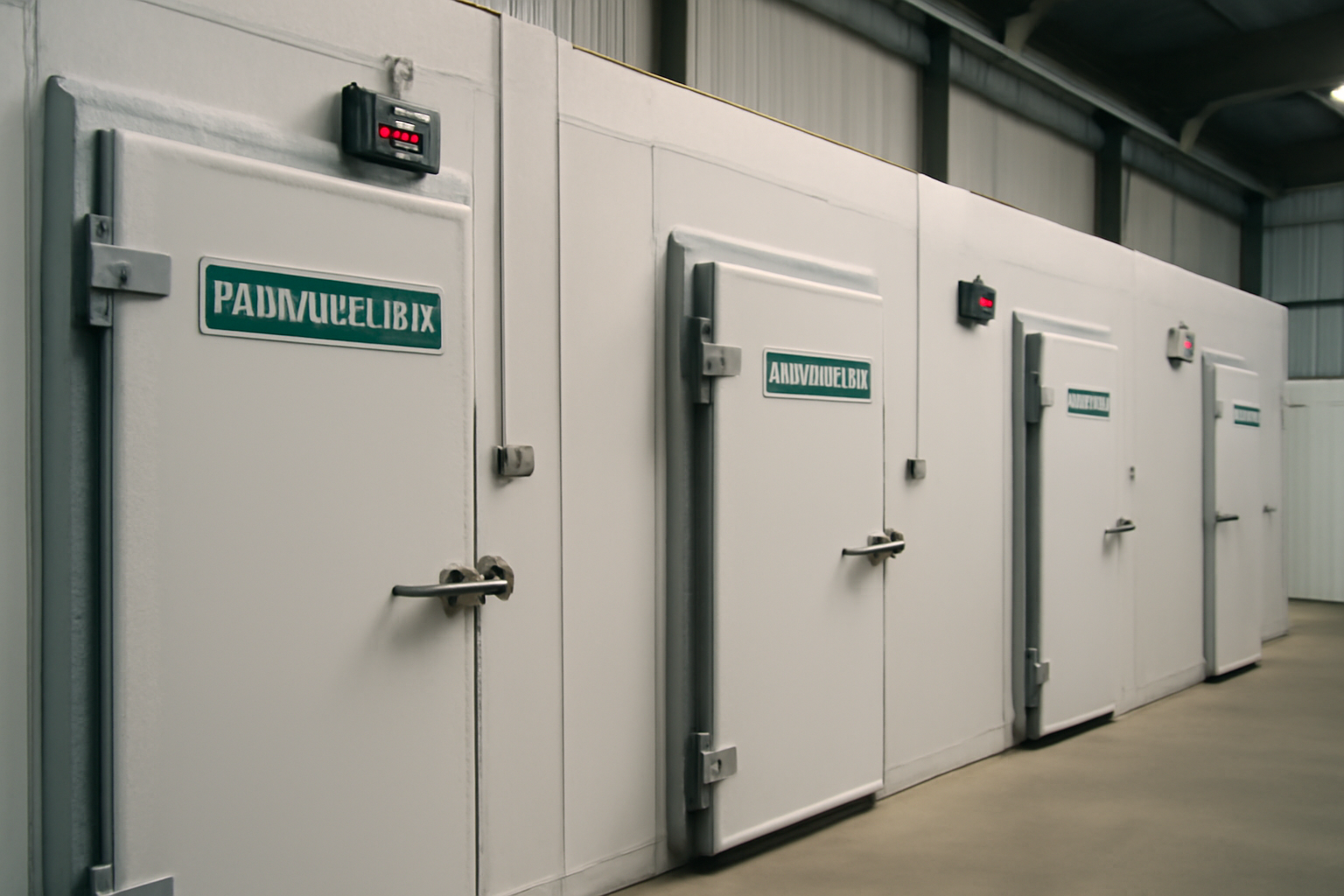
Key Takeaways
- Pharmaceutical cold chain operates at 2°C to 8°C for most medicines, with strict MHRA GDP enforcement
- Good Distribution Practice requires Responsible Person oversight, validated equipment, and real-time temperature monitoring
- Equipment must have fan-assisted air circulation, calibrated thermometers (±0.5°C accuracy), and alarm systems
- Employment Rights Act 2025 reforms take effect April 2026, affecting cold chain workforce management
- Lane qualification, temperature mapping, and challenge testing are mandatory before cold chain deployment
- Phase change material (PCM) technologies are reducing reliance on active refrigeration in 2026
What Is Cold Chain Logistics and Why It Matters
Cold chain logistics maintains temperature-controlled environments throughout the supply chain, from manufacturer to end user. The stakes differ sharply between pharmaceuticals and food products. Pharmaceutical products can become ineffective or dangerous if temperature deviates even briefly. Food products face spoilage and safety risks. Both sectors face regulatory oversight, but pharmaceutical cold chain carries heavier compliance burdens.
The pharmaceutical cold chain typically maintains 2°C to 8°C for most medicines. Some products require frozen storage at -20°C or lower. Vaccines, insulin, biologics, and clinical trial materials all depend on uninterrupted temperature control. A single excursion outside the approved range can render a batch unusable, with losses reaching six figures for high-value biologics.
Food cold chain handles chilled products (0°C to 5°C), frozen goods (-18°C or below), and ambient-controlled items with specific humidity requirements. The UK food supply chain moves millions of tonnes annually through temperature-controlled logistics networks. Operators handling both pharmaceuticals and food may benefit from understanding commodity code classification for accurate customs declarations on imported temperature-controlled goods.
The critical difference: pharmaceutical cold chain operates under Good Distribution Practice (GDP) regulations enforced by the MHRA. Food cold chain follows HACCP principles and food safety regulations. GDP compliance is non-negotiable for pharmaceutical operators. Breaches can trigger regulatory action, product recalls, and loss of licensing.
UK Regulatory Framework for Pharmaceutical Cold Chain
The Medicines and Healthcare products Regulatory Agency (MHRA) enforces GDP standards for pharmaceutical storage and transport across the UK. Post-Brexit, the UK retained EU GDP guidelines with minor adaptations. The core requirements remain unchanged from the EU framework that preceded them.
Good Distribution Practice applies to every entity handling medicinal products: manufacturers, wholesalers, third-party logistics providers, and transport operators. The guidelines cover premises, equipment, documentation, personnel, and transport operations. GDP is not optional. Operators handling pharmaceutical products must demonstrate compliance through audits, validation records, and standard operating procedures.
The Responsible Person (RP) sits at the centre of GDP compliance. Every pharmaceutical logistics operation requires an RP with defined qualifications and experience. The RP ensures GDP compliance across all operations, approves procedures, and holds personal liability for compliance failures. This is not a figurehead role. The RP must have direct oversight of cold chain operations and the authority to halt shipments if compliance is in doubt.
MHRA inspections occur regularly. Operators should expect unannounced visits, particularly if they handle high-risk products or have previous compliance issues. Inspection findings are published, and serious breaches can result in suspension of GDP certificates. For logistics providers, losing GDP certification means losing pharmaceutical clients immediately.
Temperature Requirements by Product Type
Pharmaceutical products fall into distinct temperature categories, each with specific handling requirements.
Chilled products (2°C to 8°C): This covers most vaccines, insulin products, biologics, and many hospital medicines. The range is narrow for good reason. Protein-based medicines denature outside this band. Vaccines lose potency. The 2°C to 8°C standard appears across MHRA guidance, industry standards, and manufacturer specifications.
Frozen products (-20°C or below): Certain vaccines, plasma products, and some biologics require frozen storage. Transport demands specialised equipment maintaining -20°C throughout the journey. Temperature monitoring must capture excursions below -15°C as well as above the threshold.
Controlled room temperature (CRT, 15°C to 25°C): Often overlooked as part of cold chain, CRT products still require temperature control. Many oral solid doses, some injectables, and medical devices fall into this category. Excursions above 25°C or below 15°C can affect stability. CRT does not mean ambient warehouse conditions. It means actively maintained temperature control.
Deep frozen (-70°C to -80°C): Ultra-cold chain emerged prominently during the COVID-19 vaccine rollout. Some mRNA vaccines and advanced therapies require ultra-low temperatures. This demands specialised equipment, often using dry ice or liquid nitrogen systems alongside mechanical refrigeration.
Each category requires validated equipment, calibrated monitoring, and documented handling procedures. The temperature range determines the equipment specification, monitoring frequency, and contingency planning required.
Equipment and Infrastructure Standards
GDP sets minimum equipment standards for pharmaceutical cold chain operations. These are not recommendations. They are compliance requirements.
Refrigerated storage units must have fan-assisted air circulation to prevent temperature stratification. Static air creates hot and cold spots. Fans ensure even distribution. Units require calibrated electronic thermometers with ±0.5°C accuracy. Standard household thermometers do not meet this standard. The thermometer must record minimum and maximum temperatures, with data retained for audit purposes.
Lockable doors prevent unauthorised access. Temperature excursions often occur when untrained staff open units or adjust settings. Access control is part of GDP compliance.
Alarm systems are mandatory. Alarms must trigger on high temperature, low temperature, power failure, and door-ajar conditions. Alarms should connect to 24/7 monitoring with escalation procedures. A midnight alarm that nobody hears is useless.
Transport vehicles require validated refrigeration units with continuous temperature recording. The vehicle itself must undergo temperature mapping to identify hot spots during loading. Rear doors create temperature vulnerability during unloading. Loading procedures must minimise exposure time.
Data loggers travel with shipments. They provide independent temperature records separate from the vehicle’s system. In case of dispute, the data logger provides the definitive record. Modern systems use GPS-tracked, real-time monitoring that alerts operators to excursions while the vehicle is still in transit. This enables intervention before the entire load is compromised.
Backup power is essential for fixed storage. Generators or dual-supply systems prevent temperature loss during power outages. Validation must include power failure scenarios, demonstrating the unit maintains temperature for defined periods without mains power.
GDP Compliance Essentials
Good Distribution Practice compliance extends beyond equipment. It encompasses procedures, training, documentation, and oversight.
Validation is the foundation. Before any cold chain equipment or route enters service, it must undergo qualification. This includes:
- Design qualification: Equipment specification matches the intended use
- Installation qualification: Equipment installed correctly with utilities connected
- Operational qualification: Equipment operates within specified parameters
- Performance qualification: Equipment maintains temperature under load and environmental stress
Lane qualification applies to transport routes. A route from Manchester to London cannot assume the same performance as Manchester to Edinburgh. Distance, seasonal variation, traffic patterns, and handover points all affect temperature maintenance. Each lane requires mapping and validation before use.
Temperature mapping identifies hot and cold spots within storage units and vehicles. Sensors placed throughout the space record temperatures over extended periods. The mapping reveals where products cannot be placed safely. Loading plans must respect these findings.
Challenge testing simulates failure scenarios. What happens during a 30-minute door opening? How long does temperature remain stable during power loss? Challenge testing defines the operating limits and informs contingency procedures.
Documentation must capture every aspect: standard operating procedures, training records, calibration certificates, maintenance logs, temperature records, and deviation reports. GDP inspectors expect to see complete, contemporaneous records. Retrospective documentation raises immediate red flags.
Training covers all personnel handling pharmaceutical products. Staff must understand temperature requirements, recognise excursions, and follow escalation procedures. Training records must be current and role-specific.
Technology and Monitoring Systems
Cold chain monitoring has evolved from passive data loggers to connected, real-time systems. The shift matters for compliance and risk management.
Real-time GPS and temperature tracking now represents the standard for high-value pharmaceutical shipments. Systems transmit location and temperature data at intervals throughout the journey. Operators receive alerts if temperature approaches excursion thresholds. This enables intervention while the vehicle is still in transit rather than discovering problems at delivery.
Phase change material (PCM) packaging is gaining traction in 2026. PCM absorbs and releases thermal energy at specific temperatures, maintaining stable conditions without active refrigeration. For shorter journeys or as backup during handovers, PCM reduces reliance on powered systems. The technology complements rather than replaces active refrigeration for long-haul transport.
Connected data loggers combine the independence of traditional loggers with real-time connectivity. They provide the audit trail regulators expect while enabling proactive management.
Blockchain and distributed ledger systems are emerging for high-security pharmaceutical supply chains. They provide immutable temperature records and chain-of-custody documentation. Adoption remains limited but grows where product authentication and anti-counterfeiting are priorities.
Automated reporting reduces administrative burden. Systems generate GDP-compliant reports automatically, capturing all required data points and flagging excursions for investigation. Manual compilation of temperature records is increasingly rare in compliant operations.
Common Failure Points and Prevention
Cold chain failures cluster around predictable causes. Understanding these patterns enables prevention.
Door openings during loading and unloading create the most frequent excursions. Every second the door stands open, temperature drifts. Procedures must minimise open-door time. Air curtains, rapid-roll doors, and staged loading reduce exposure. Staff training emphasises speed without compromising safety.
Power loss affects fixed storage. Backup systems must engage automatically. Regular testing proves the backup functions when needed. Many operators discover generator failures only during actual power cuts, by which point product is lost.
Handover gaps occur when products move between operators. The receiving party’s equipment may not be ready. Products sit on docks while paperwork completes. Procedures must ensure the receiving cold chain is active and verified before handover begins. Temperature checks at receipt catch problems before products enter the warehouse.
Calibration drift affects monitoring equipment. Thermometers and data loggers require annual calibration against traceable standards. Out-of-calibration equipment produces unreliable records. GDP inspectors check calibration certificates as a matter of routine.
Loading errors place products in hot spots identified during mapping. Loading plans must specify where products can and cannot be placed. Drivers and warehouse staff need clear instructions, not assumptions.
Seasonal variation affects vehicle performance. A route validated in spring may fail in summer heat or winter cold. Seasonal requalification or adjusted procedures account for environmental changes.
2026 Developments Affecting Cold Chain Operations
Several regulatory and industry developments shape cold chain operations in 2026.
Employment Rights Act 2025 reforms take effect in April 2026. The Cold Chain Federation has flagged these as affecting workforce management across the sector. Changes to shift patterns, rest breaks, and employment status may impact 24/7 cold chain operations. Operators should review rostering and compliance before the reforms take effect.
Transport refrigeration unit (TRU) emissions policy remains under discussion. The Cold Chain Federation is campaigning for Department for Transport recognition of sector emissions reduction efforts. TRU operators have invested in lower-emission equipment. Policy clarity is needed to avoid conflicting requirements.
Enhanced GDP guidance emerged in late 2025, recommending higher standards for temperature-controlled pharmaceutical transport. The guidance emphasises active, connected, sustainable packaging solutions. While not mandatory, inspectors may reference it during audits as evidence of current best practice.
MHRA alignment with EU standards continues post-Brexit. Pharmaceutical operators serving both UK and EU markets benefit from maintained alignment. Divergence would create duplicate compliance burdens. Current indications suggest continued harmonisation on GDP requirements.
Choosing a Cold Chain Provider
Selecting a pharmaceutical cold chain partner requires due diligence. Price should not drive the decision. Compliance failures cost far more than premium logistics fees.
Audit checklist for provider selection:
- Valid GDP certificate with current MHRA registration
- Named Responsible Person with pharmaceutical logistics experience
- Validated equipment with current calibration certificates
- Real-time temperature monitoring with alert capabilities
- Documented contingency procedures for equipment failure
- Training records for all handling staff
- Insurance covering pharmaceutical product values
- References from current pharmaceutical clients
Questions to ask during selection:
- When was your last MHRA inspection and what were the findings?
- How do you handle temperature excursions in transit?
- What backup power arrangements exist at your storage facilities?
- Can you provide lane validation records for my routes?
- What is your process for investigating and reporting deviations?
- How do you ensure continuity during staff turnover or absence?
The provider’s answers should be specific and evidence-based. Vague assurances indicate weak compliance culture. Request to see actual documentation before contracting.
For broader logistics operations, understanding what 3PL services entail helps frame cold chain within overall supply chain strategy. Cold chain providers often operate as specialised 3PLs with pharmaceutical focus.
Importers bringing pharmaceutical products into the UK must also navigate customs clearance procedures alongside GDP requirements. Temperature-controlled goods may require expedited clearance to minimise exposure during border processes. Import VAT and postponed accounting rules apply to pharmaceutical imports, with VAT due on the customs value plus duty.
Frequently Asked Questions
What temperature range defines the pharmaceutical cold chain? The standard pharmaceutical cold chain operates at 2°C to 8°C for most medicines, vaccines, and biologics. Some products require frozen storage at -20°C or below, while others need controlled room temperature between 15°C and 25°C. The specific range depends on the product’s stability profile as defined by the manufacturer.
Which UK regulator enforces GDP for medicines? The Medicines and Healthcare products Regulatory Agency (MHRA) enforces Good Distribution Practice for pharmaceutical products in the UK. The MHRA conducts inspections, issues GDP certificates, and can suspend operations for compliance failures.
What accuracy is required for cold chain thermometers? GDP requires calibrated electronic thermometers with ±0.5°C accuracy. Standard household thermometers do not meet this standard. Thermometers must record minimum and maximum temperatures, with calibration certificates maintained for audit purposes.
What role must oversee pharmaceutical logistics under GDP? A Responsible Person (RP) must oversee pharmaceutical logistics operations under GDP. The RP holds defined qualifications, ensures compliance across all operations, and carries personal liability for failures. The RP cannot be a figurehead and must have direct oversight of cold chain operations.
When do Employment Rights Act 2025 reforms affect cold chain operations? The Employment Rights Act 2025 reforms take effect in April 2026. The Cold Chain Federation has identified these reforms as affecting workforce management across the sector, particularly for 24/7 operations requiring shift work and weekend coverage.
How often must cold chain equipment be validated? Equipment requires initial validation before entering service, then requalification at defined intervals (typically annually) or after significant changes. Transport lanes require seasonal requalification to account for environmental variation. Calibration of monitoring equipment must occur annually against traceable standards.